Table of Contents
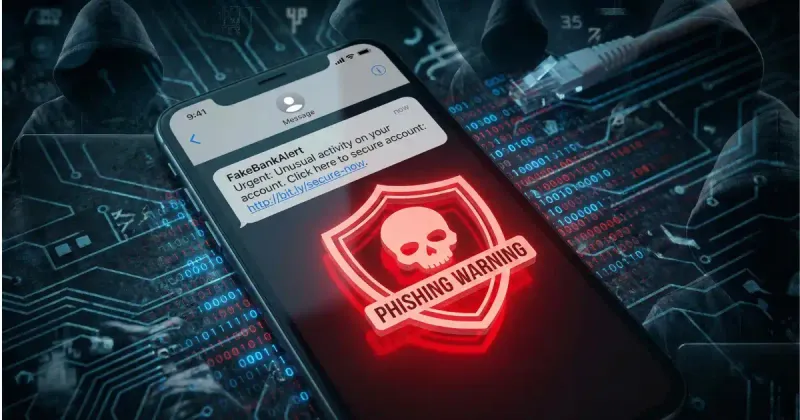
Smishing (a combination of “SMS” and “Phishing”) is a cybersecurity attack where fraudsters send deceptive text messages to trick victims into revealing personal information, such as passwords or credit card numbers.
Unlike email phishing, smishing feels more urgent and personal, which is why it is often more successful.
The Anatomy of a Smishing Attack
A typical scam message usually follows this pattern:
- Impersonation: Pretends to be a trusted entity (Bank, FedEx, Amazon, IRS).
- Urgency/Fear: “Your account is locked” or “Package delivery failed”.
- The Hook: A malicious link (e.g.,
bit.ly/fake-bank) or a phone number to call.
Common Smishing Examples
1. The “Delivery Failed” Scam
“USPS: We attempted to deliver your package but nobody was home. Schedule redelivery here: [fake-link.com]”
Why it works: Everyone orders online. It’s easy to assume you forgot about a package.
2. The “Bank Alert” Scam
“BankOfAmerica Alert: Suspicious transaction of $500 detected. Reply YES to authorize or click here to cancel: [fake-link.com]”
Why it works: Fear of losing money makes people act without thinking.
3. The “Free Gift” Scam
“Congratulations! You won an iPhone 16. Claim your prize now: [fake-link.com]”
Why it works: Greed and curiosity.

How to Spot a Fake Text
- Check the Number: Legitimate businesses usually use a 5-6 digit Short Code (e.g., 22334) or a verified toll-free number. Scams often come from standard 10-digit mobile numbers.
- Look at the Link: Banks will never send you to a
bit.ly,tinyurl, or a weird domain likesecure-bank-login-update.com. - Grammar & Spelling: Poor English is a major red flag.
- Request for Info: No legitimate company will text you asking for your password or SSN.
What to Do If You Receive a Smishing Text
- Do NOT Click: Never click the link, even out of curiosity. It can install malware.
- Do NOT Reply: Replying (even “STOP”) confirms your number is active, leading to more spam.
- Block the Number: Use your phone’s settings to block the sender.
- Report It: Forward the text to 7726 (SPAM). This helps carriers update their filters.
Frequently Asked Questions
What should I do if I clicked a smishing link?
Immediately disconnect from the internet (Wi-Fi and Data). Change your passwords (banking, email) from a different device. Scan your phone for malware.
Can opening a text message hack my phone?
Generally, no. Just opening the text is usually safe. The danger lies in clicking links, downloading attachments, or replying with personal info.
How do scammers get my number?
They use auto-dialers to message random numbers, buy lists from data breaches on the dark web, or scrape numbers from social media.
How do I report a spam text?
Forward the message to 7726 (SPAM) on most carriers. You can also block the number and report it within your messaging app.
Related Guides
- What is SMS? - How legitimate messaging works.
- SMS vs MMS - Understanding message types.
- What is a Short Code? - How to identify real business numbers.
WhatIsSMS.com
SMS Technology Guide